
1. Gesprek - Conversation

Watch the video of two students talking about their families without reading the text. Try to understand what is happening and what they are saying.
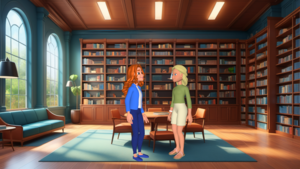

The video can be found here (YouTube)

Don't forget to like the video and subscribe to the channel.

Watch the video again while reading the text. Check whether you understand more and pay attention to how the words are pronounced.


A: Heb jij een grote familie? 
B:  Best wel. Ik heb twee broers en één zus.
A: Wat leuk! Zijn ze ouder dan jij?
B: Ja, ik ben de jongste. En jij?
A: Ik heb één oudere broer. Hij is dertig.
B: Wat doet hij?
A: Hij werkt als leraar op een middelbare school.
B: Interessant! Zie je je familie vaak?
A: Niet elke dag. Mijn ouders wonen in een andere stad.
B: Ik zie mijn familie in het weekend. We eten dan samen.
A: Gezellig. Heb je ook veel vrienden hier?
B: Ja, ik heb een paar goede vrienden in de klas. En jij?
A: Ja, ook. We studeren samen en soms gaan we iets drinken.
B: Vrienden zijn belangrijk, zeker als je in een nieuw land woont.
A: Absoluut. Ze maken alles makkelijker.

Read the English translation. Make sure you understand the Dutch conversation.


A: Do you have a big family?
B: Quite big. I have two brothers and one sister.
A: Nice! Are they older than you?
B: Yes, I’m the youngest. And you?
A: I have one older brother. He’s thirty.
B: What does he do?
A: He works as a teacher at a secondary school.
B: Interesting! Do you see your family often?
A: Not every day. My parents live in another city.
B: I see my family at the weekend. We eat together then.
A: Nice. Do you also have many friends here?
B: Yes, I have a few good friends in the class. And you?
A: Yes, me too. We study together and sometimes we go for a drink.
B: Friends are important, especially when you live in a new country.
A: Absolutely. They make everything easier.


Listen to the conversation and repeat each sentence.

2. Woordenschat - Vocabulary

Dutch

English

groot

big

de leraar (-en)

teacher

de middelbare school (-en)

secondary school

vaak

often

de ouder (-s)

parent

andere

other / another

de stad (steden)

city

het weekend (-en)

weekend

samen

together

de vriend (-en)

friend

de klas (-en)

class

soms

sometimes

drinken

to drink

nieuw

new

het land (-en)

country

de partner (-s)

partner

3. Grammatica - Grammar

Possessive adjectives

Possessive adjectives show who something belongs to. In Dutch, they come before the noun.


Personal pronoun

Possessive

Meaning

ik

mijn

my

jij

jouw

your (informal)

u

uw

your (formal)

hij

zijn

his

zij

haar

her

wij

ons / onze

our

jullie

jullie

your (plural)

zij

hun

their


ons or onze?

This depends on the noun:

  • ons + het-word (singular)
  • onze + de-word (singular) or any plural noun


Examples:

  • Mijn naam is Anna. – My name is Anna.
  • Jouw huis is mooi. – Your house is nice.
  • Zijn fiets is nieuw. – His bike is new.
  • Haar tas is rood. – Her bag is red.
  • Onze auto is oud. – Our car is old.
  • Hun kinderen zijn lief. – Their children are sweet.

Complete the sentences with the correct possessive: mijn, jouw, zijn, haar, onze, ons, jullie, hun

1. Jij bent Peter. Is dat ___ fiets?

2. Hij heet Tom. ___ broer woont in Utrecht.

3. Zij is Anna. ___ tas ligt op de stoel.

4. Wij hebben een appartement. Dit is ___ woonkamer. (de woonkamer)

5. Wij hebben een huis. Dat is ___ huis. (het huis)

6. Jullie hebben een hond. Waar is ___ hond?

7. Zij wonen hier. Dit is ___ tuin.

8. Ik ben Lisa. Dit is ___ vader.

9. Jij hebt een mooie trui. Is dat ___ lievelingstrui?

10. Tom en Anna zijn getrouwd. Dat is ___ auto.

4. Nederlands Plus - Dutch plus


Dutch

English

de vader (-s)

father

de moeder (-s)

mother

de grootouders

grandparents

de opa (-s)

grandpa

de oma (-s)

grandma

de oom (-s)

uncle

de tante (-s)

aunt

de zoon (-en)

son

de dochter (-s)

daughter

de man (-en)

man / husband

de vrouw (-en)

woman / wife


Important:
The word vrouw usually means “woman”, but mijn vrouw means “my wife”.

Examples:

  • Zij is een aardige vrouw. – She is a nice woman.
  • Mijn vrouw heet Anna. – My wife’s name is Anna.

The same can happen with man:

  • een man = a man
  • mijn man = my husband


Useful sentences to introduce someone

  • Dit is mijn moeder. – This is my mother.
  • Hij is mijn broer. – This is my brother / He is my brother.
  • Haar naam is Sophie. – Her name is Sophie.
  • Hij komt uit Nederland. – He comes from the Netherlands.
  • Ze woont in Utrecht. – She lives in Utrecht.

5. Spreken - Speaking

    1. Heb jij een grote familie?
    2. Heb je broers of zussen?
    3. Ben jij de oudste of de jongste?
    4. Wat doen jouw ouders?
    5. Woon jij bij je familie?
    6. Hoe vaak zie je je familie?
    7. Heb je een partner?
    8. Heb je kinderen? Hoeveel?
    9. Heb je veel vrienden hier?
    10. Wat doe je met je vrienden in het weekend?
    11. Wie is jouw beste vriend(in)?
    12. Waar wonen jouw ouders?
    13. Wat is jouw nationaliteit? En jouw familie?

Think about your family and introduce different family members in Dutch. Try to say a few sentences about each person.

6. Extra oefeningen - Extra practice

  1. Ik heb een broer. Dit is                    broer.
  2. Jij hebt een fiets. Is dat                   fiets?
  3. Hij heeft een hond. Dat is                               hond.
  4. Zij heeft een tas. Dat is                    tas.
  5. Wij hebben kinderen. Dat zijn                      kinderen.
  6. Wij hebben een appartement. Dit is                          appartement.
  7. Jullie hebben ouders. Dat zijn                       ouders.
  8. Tom en Anna hebben een tuin. Dat is                        tuin.
  9. Ik heb grootouders. Dat zijn                          grootouders.
  10. Jij hebt een mooie kamer. Is dat                  kamer?
  1. vader / mijn / is / leraar
  2. woont / zus / zijn / in Rotterdam
  3. hebben / kinderen / zij / drie
  4. moeder / onze / heet / Ellen
  5. vaak / grootouders / zie / ik / mijn
    Example: Dit is jouw boek. → Is dit jouw boek?
    1. Dit is mijn fiets. →                                                            ?
    2. Dat is haar auto. →                                                          ?
    3. Dit is onze hond. →                                                         ?
    4. Dat is zijn kamer. →                                                         ?
    5. Dit is hun huis. →                                                             ?
  1. “grandfather” – (de oom / de opa / de zoon)
  2. “aunt” – (de tante / de vrouw / de oma)
  3. “wife” – (de vrouw / de moeder / de dochter)
  4. “brother” – (de zoon / de broer / de vader)
  5. “friend” – (de partner / de man / de vriend)
  1. Dit is mijn                                            . (anya)
  2. Hij is mijn                                             . (nagybácsi)
  3. Haar naam is Sophie. Zij is mijn                                  . (nővér)
  4. Onze                                       wonen in Utrecht. (szülők)
  5. Hun                                         zijn heel aardig. (barátok)

Antwoorden - key

Doing exercises is an essential part of the learning process. Don't worry about how many mistakes you make—mistakes are a normal and valuable part of learning.

When checking your answers, focus on understanding why an answer is correct. This will help you learn more effectively and avoid making the same mistakes in the future.

  1. Is dat jouw fiets?
  2. Zijn broer woont in Utrecht.
  3. Haar tas ligt op de stoel.
  4. Dit is onze woonkamer.
  5. Dat is ons huis.
  6. Waar is jullie hond?
  7. Dit is hun tuin.
  8. Dn dit is mijn vader.
  9. Is dat jouw lievelingstrui?
  10. Dat is hun auto.
  1. Dit is mijn broer.
  2. Is dat jouw fiets?
  3. Dat is zijn hond.
  4. Dat is haar tas.
  5. Dat zijn onze kinderen.
  6. Dit is ons appartement.
  7. Dat zijn jullie ouders.
  8. Dat is hun tuin.
  9. Dat zijn mijn grootouders.
  10. Is dat jouw kamer?
  1. Mijn vader is leraar.
  2. Zijn zus woont in Rotterdam.
  3. Zij hebben drie kinderen.
  4. Onze moeder heet Ellen.
  5. Ik zij vaak mijn grootouders. / Ik zie mijn grootouders vaak.
  1. Is dit mijn fiets?
  2. Is dat haar auto?
  3. Is dit onze hond?
  4. Os dat zijn kamer?
  5. Is dit hun huis?
  1. de opa
  2. de tante
  3. de vrouw
  4. de broer
  5. de vriend
  1. Dit is mijn moeder.
  2. Hij is mijn oom.
  3. Haar naam is Sophie. Zij is mijn zus.
  4. Onze ouders wonen in Utrecht.
  5. Hun vrienden zijn heel aardig.